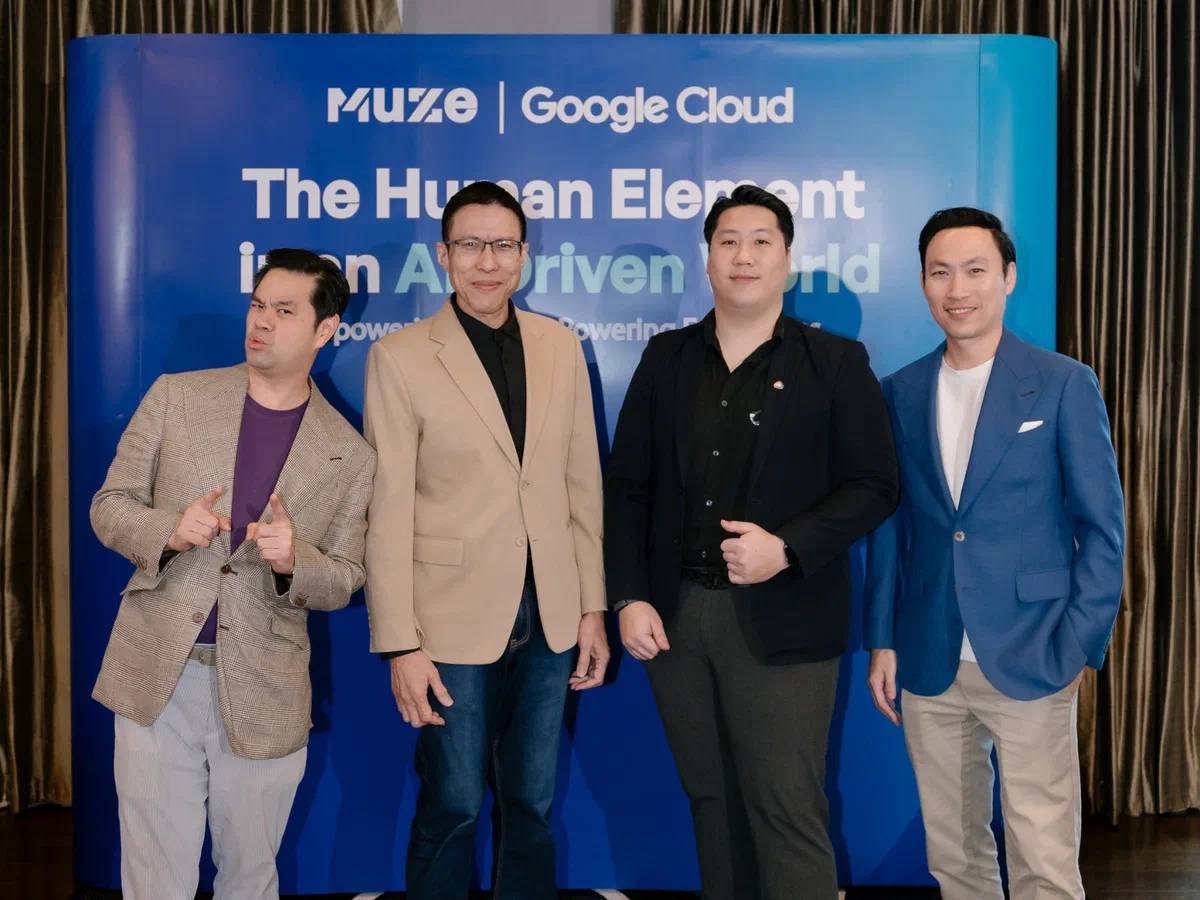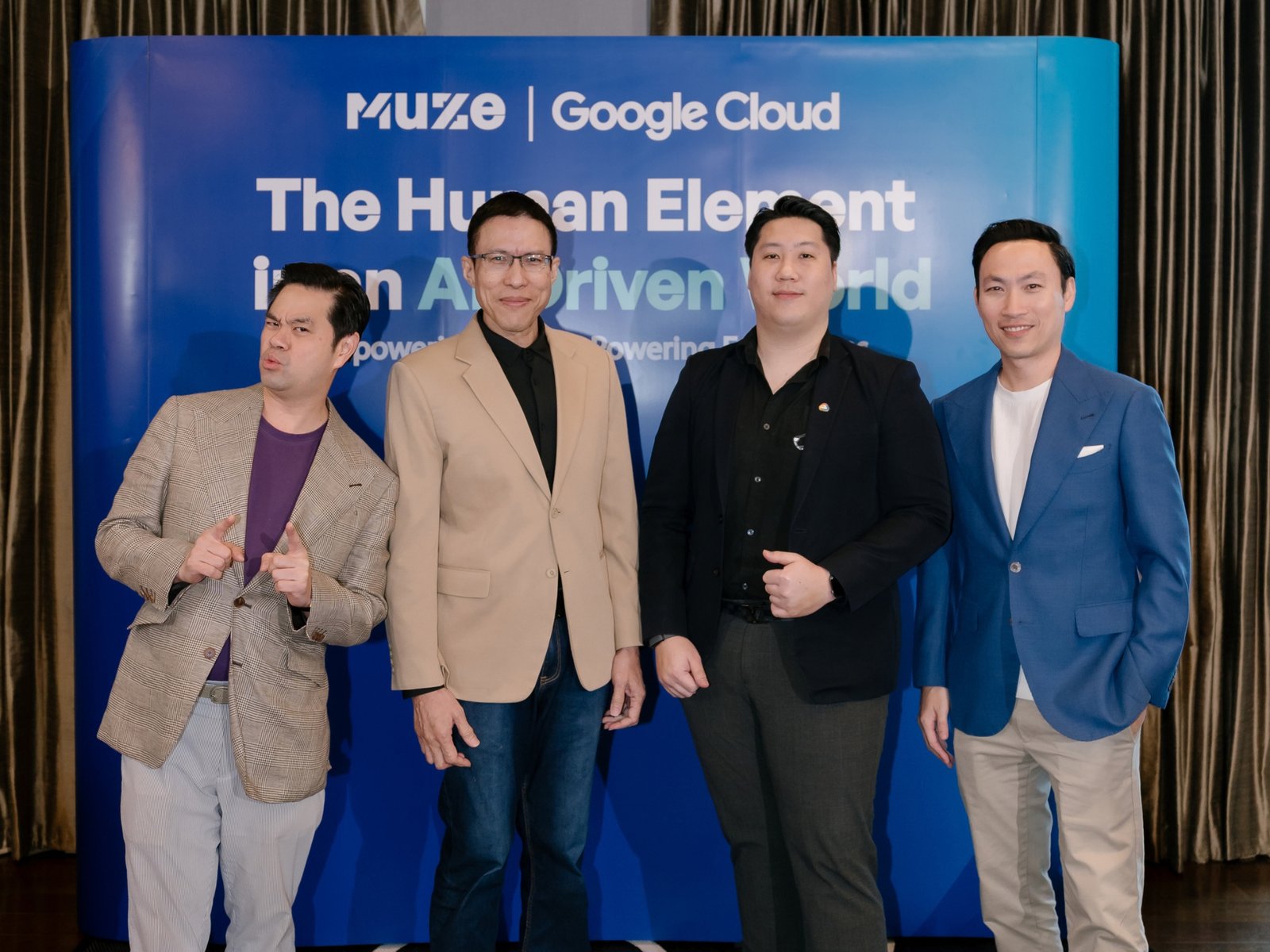
Muze, together with Google Cloud, hosted The Human Element in an AI-Driven World on October 7, 2026, sharing perspectives on the role of people in the age of AI and how organizations can bring AI applications into real use.
As AI becomes able to help write code and build applications in a short amount of time, creating a tool to solve a work problem is becoming something employees across many different functions can access more directly.
People who work with a problem every day — whether on HR, Finance, Marketing, or Operations — already understand the workflow and the constraints of the job they’re responsible for. Once AI helps strip away the technical complexity, that knowledge can be carried straight into an application that fits the work.
These themes were the focus of The Human Element in an AI-Driven World, covering everything from the changing role of employees, to how business and IT collaborate, to preparing the infrastructure and governance needed to support applications built by many teams and brought into real use under organizational standards.
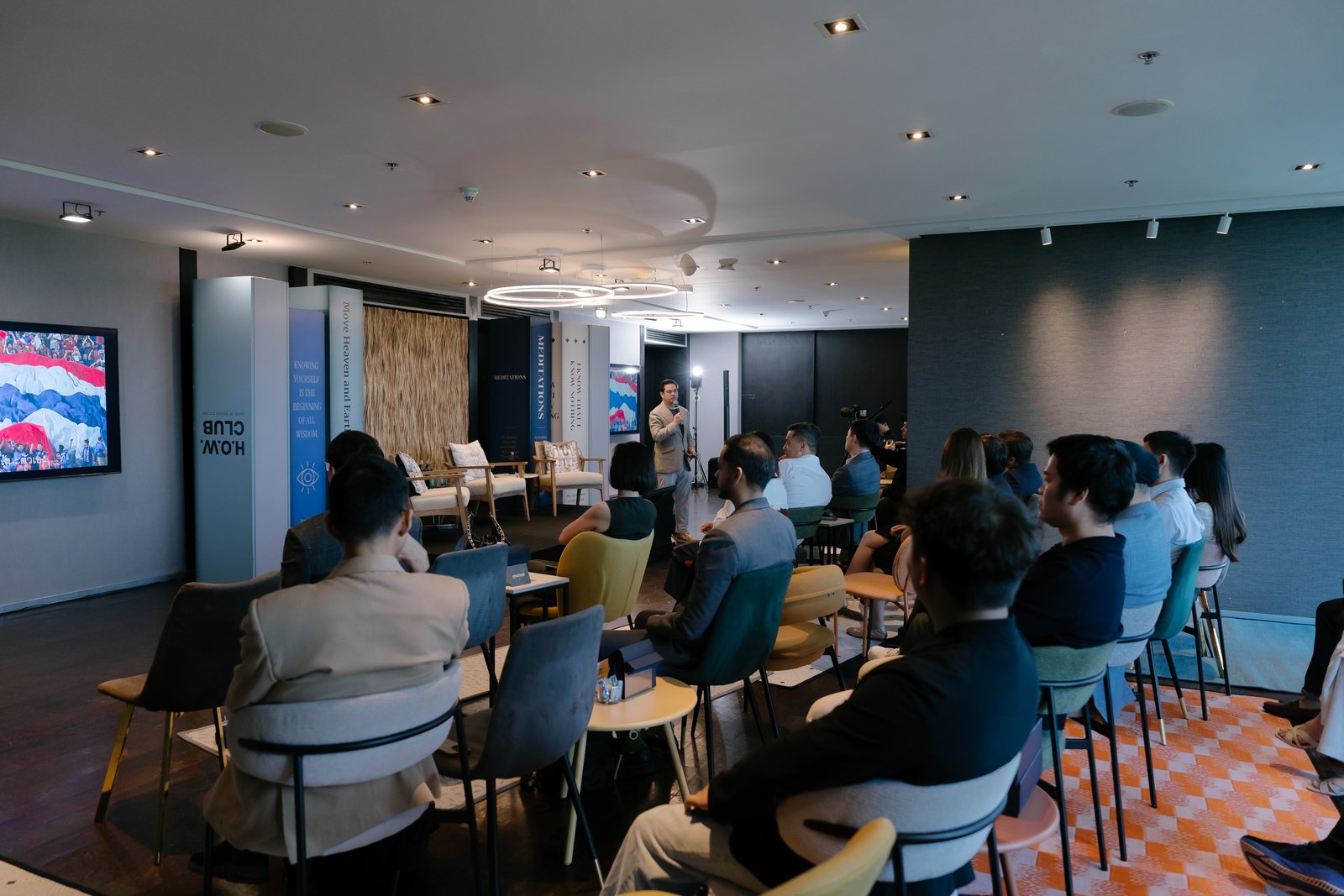
When Domain Expertise Becomes the Starting Point for Building a Technology Solution
Until now, building an application inside an organization has usually started with the business side gathering requirements, then handing them to an IT or development team to build the system.
This process meant the organization had to rely on communication between people who understood the problem and people with technical expertise — something that could take several rounds back and forth before producing a tool that actually fit the real work.
Once AI can help turn a requirement, or a plain-language description, into code and an application, the relationship between the people who hold domain expertise and technology itself starts to change. An employee who understands a work problem can try building a tool to solve it themselves, without needing the same level of programming skill as a developer.
For example, HR might want an application for managing employee data, Sales might want a system for tracking customer information, or Operations might build a dashboard to see the status of work more easily.
Take the case of a team that has to pull data from several sources to put together a weekly report. The person responsible might need to download data from one system, organize it in a spreadsheet, then summarize it and pass it along to the people who need it — a step that repeats every week and eats up time.
An employee who works with this process regularly knows exactly which data matters, where mistakes tend to happen, and which steps can be improved. That understanding is what lets someone design an application that genuinely fits the work from the start, with AI helping on the actual building.
The ability to identify a problem and design a solution out of real work experience therefore matters more than ever — because even though AI can help build an application, deciding what that tool should actually do, and how it should improve a workflow, still depends on the person who understands the work.
From Technology Users to Technology Creators
Many organizations’ early use of AI usually started with helping search for information, summarize documents, write content, or speed up parts of a task.
Today, AI’s capability is expanding into helping build an application straight from a requirement a user describes, letting employees take a problem they’ve run into at work and try turning it directly into a tool.
This shift — from using technology to creating it — is also changing how people collaborate inside an organization. Where the business side used to have to gather requirements and hand them to IT to build, employees can now start building a prototype and iterating on it to fit their own workflow from the very beginning, putting tool-building much closer to the people who’ll actually use it.
At the same time, IT’s role can shift from building every single tool itself, toward supporting infrastructure, architecture, and more complex system integrations, so the tools employees build can keep being developed properly.
This shift opens up a new way for business and IT to work together: business takes the lead in defining the problem and trying out a solution, while IT supports the technical readiness needed to bring a tool into real use.
That said, letting employees across many teams build their own applications also brings a real challenge in managing those tools — especially once an application starts touching data and processes that matter to the organization.
Once Every Team Can Build an AI Application, Governance Has to Start From the Development Process Itself
As the number of applications inside an organization grows, managing tools built by many different teams gets more complex too — an application originally built for one team’s own use may get passed along to another group, or expand in scope until it has to connect to systems that matter to the whole organization.
For example, a tool for managing data within a team might start with just a handful of users, but as more people start using it, the organization has to think about access permissions, managing user accounts, keeping the application updated, and who’s actually responsible for maintaining it.
Beyond that, any application connecting to a database, an API, or an internal system needs the right approach to security, data privacy, and technology stack. If every team picks its own technology or way of integrating systems purely based on what it’s comfortable with, the organization can end up carrying the burden of maintaining a large number of applications with completely different structures.
These problems may not be obvious while a prototype is still being tested, but they become far more important once a tool goes into real use — especially when it touches internal data or is opened up to multiple groups of employees.
Having a shared standard from the development process onward lets the business side build tools within a clear boundary, while IT can track and manage the overall system more easily.
Governance therefore spans everything from setting the direction for development, to checking an application’s readiness, to maintaining a tool after it goes live — so an organization can support solutions being built across many teams under one shared standard.
From AI Prototype to a Real, Usable Application Through AEGIS
Even though AI helps employees build a prototype faster, bringing a tool into real use still involves further steps — defining user permissions, running a security review, connecting to internal systems, and preparing an environment for deployment.
Muze introduced AEGIS, a platform that supports developing and bringing AI applications into real use inside an organization — from building an application through the Builder Kit, to checking it against organizational standards through the Governance Pipeline, to publishing an approved application on the Internal App Store.
This process lets the IT team set standards for security, technology, and data access, while employees can find and use applications through one central space, instead of reaching tools through scattered links or separate systems built by each team.
The event also included a demo of Muze’s own Internal App Store, with example applications employees had built out of real pain points in their work — showing that a tool built inside an organization can start from one team’s specific problem, then be developed further and rolled out to other groups of employees.
For an organization where applications are emerging from many teams, having a clear path to publish them and a clear governance process lets those tools enter real use in a systematic way, and lets a solution that started from the needs of one small group of employees end up benefiting a much wider group.
Human Expertise Is Still at the Heart of Putting AI to Work in an Organization
Even as technology removes more of the barriers to building an application, putting AI to genuine use in people’s work still depends on human understanding.
From identifying the problem that needs solving, to defining the requirement, to judging how well the tool that gets built actually fits the work — every one of these steps still requires experience and an understanding of business context.
The idea of human in the loop therefore still matters in working alongside AI: technology supports development and processing, while people still play a role in checking results, judging whether they’re appropriate, and making decisions at the points where that’s needed.
At the same time, an organization also has to keep giving employees the chance to learn and keep experimenting with applying AI to the work they’re responsible for.
AEGIS supports this by giving employees an environment to experiment with building an application out of their own pain points, before carrying what they’ve built into use with their team, or scaling it up to the organizational level under defined governance.
Once employees can experiment with building a tool out of a real work problem, and there’s a system in place to support bringing an application into use, each person’s knowledge and experience has a real chance of being carried forward into a solution that benefits other teams in the organization too.
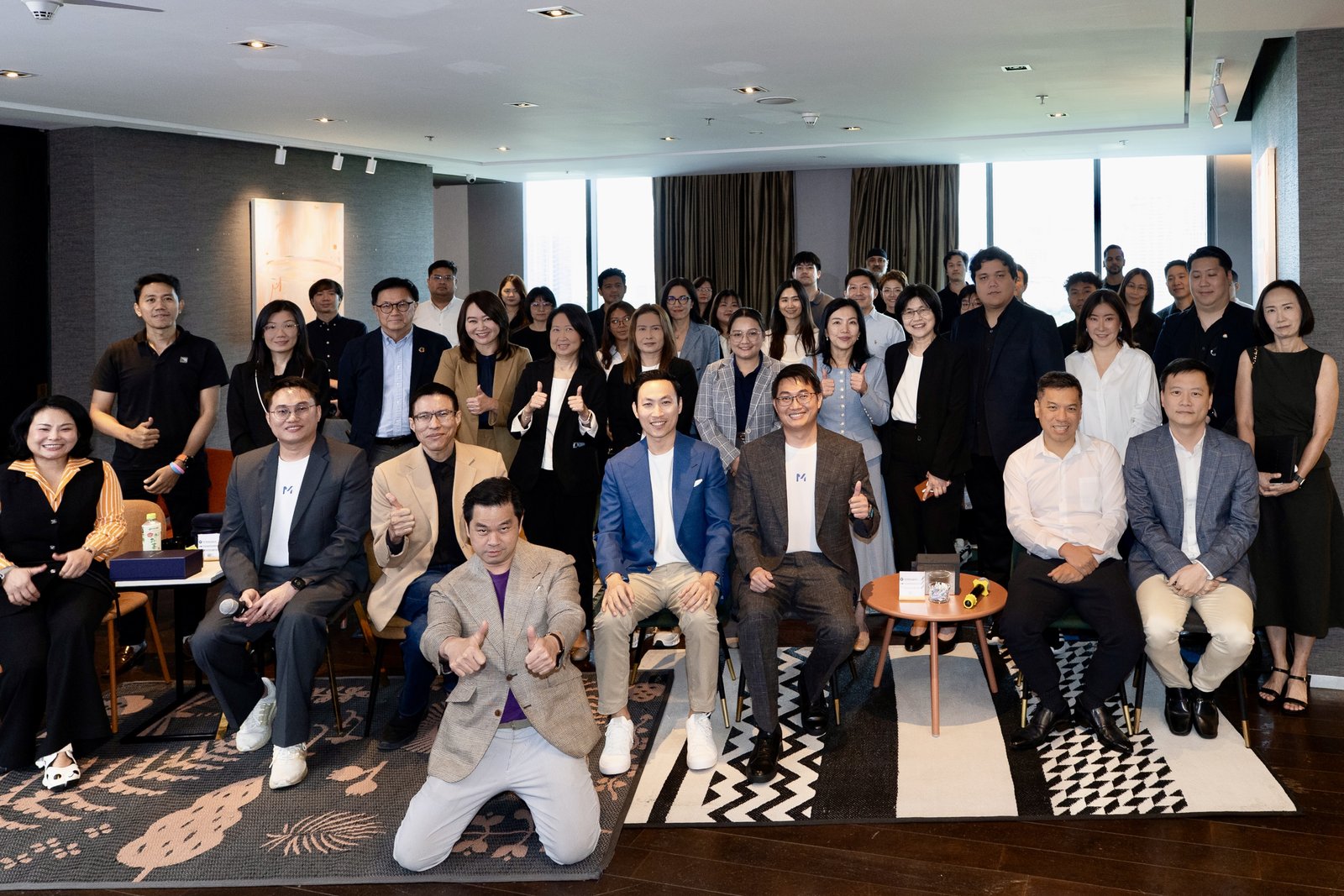
From AI’s Potential to Real Value for an Organization
As AI makes building an application accessible to more people, employees’ understanding of their own work has a real chance of being carried forward into a tool that solves a problem directly.
What an organization needs to prepare alongside that is developing its people’s skills, opening up space for experimentation, and putting in place a structure that supports those tools from development all the way through to real use.
Putting AI to work therefore involves both the capability of the technology and the readiness of the people inside an organization, with business and IT working together to turn an understanding of a problem into a solution that delivers value over the long run.
For an organization interested in an approach to building and bringing AI applications into real use, more details on AEGIS by Muze are available at muze.co.th/en/aegis